Over recent years, lighting design has undergone a shift in perspective. It is no longer simply a matter of turning lights on and off or adjusting their intensity, but of developing solutions that can respond to what happens within a space, transform lighting scenes and integrate new functions.
Contemporary environments are not static: they change throughout the day, accommodate people’s movements and support different activities. Lighting, too, is expected to evolve, becoming more flexible, precise and responsive.
Digital technology does not replace lighting design; it expands its possibilities. It allows control not only over the quantity of light, but also over beam shape, activation times and luminaire behaviour. For SIMES, interpreting this shift has meant moving beyond individual products towards systems capable of interacting with spaces and evolving with them.
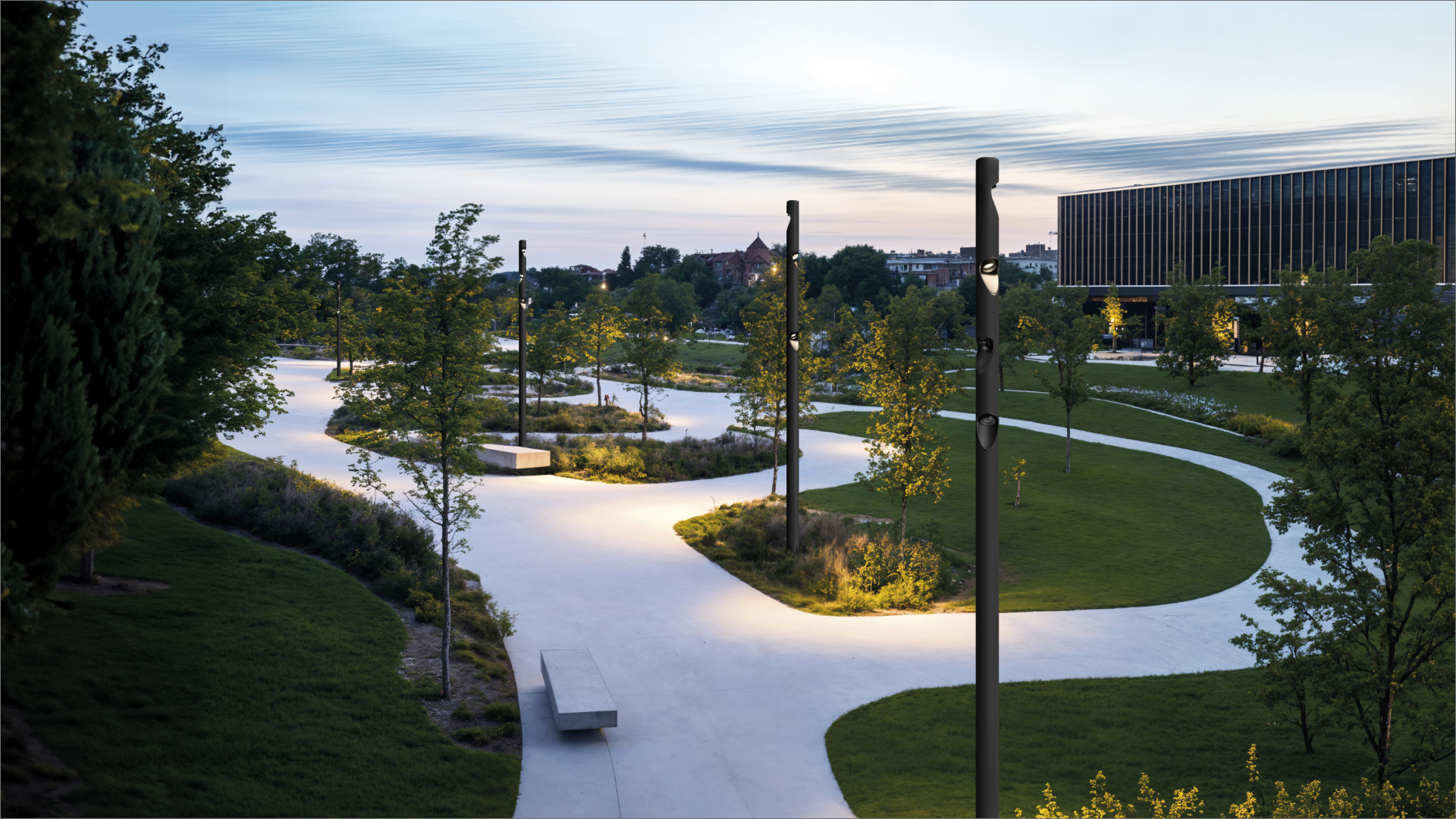
The value of control
The value of technology lies not in making lighting more complex, but in making it more appropriate.
A beam that changes shape, a pathway that responds to movement, scenes that adapt to different uses, or multiple services integrated within a single urban element all address the same need: to use light only where, when and how it is needed.
Digital control thus becomes both a design tool and a form of responsibility. Reducing waste, limiting unnecessary light and showing greater respect for the natural rhythm of the night all contribute to greater efficiency, comfort and spatial quality.
The beam goes digital
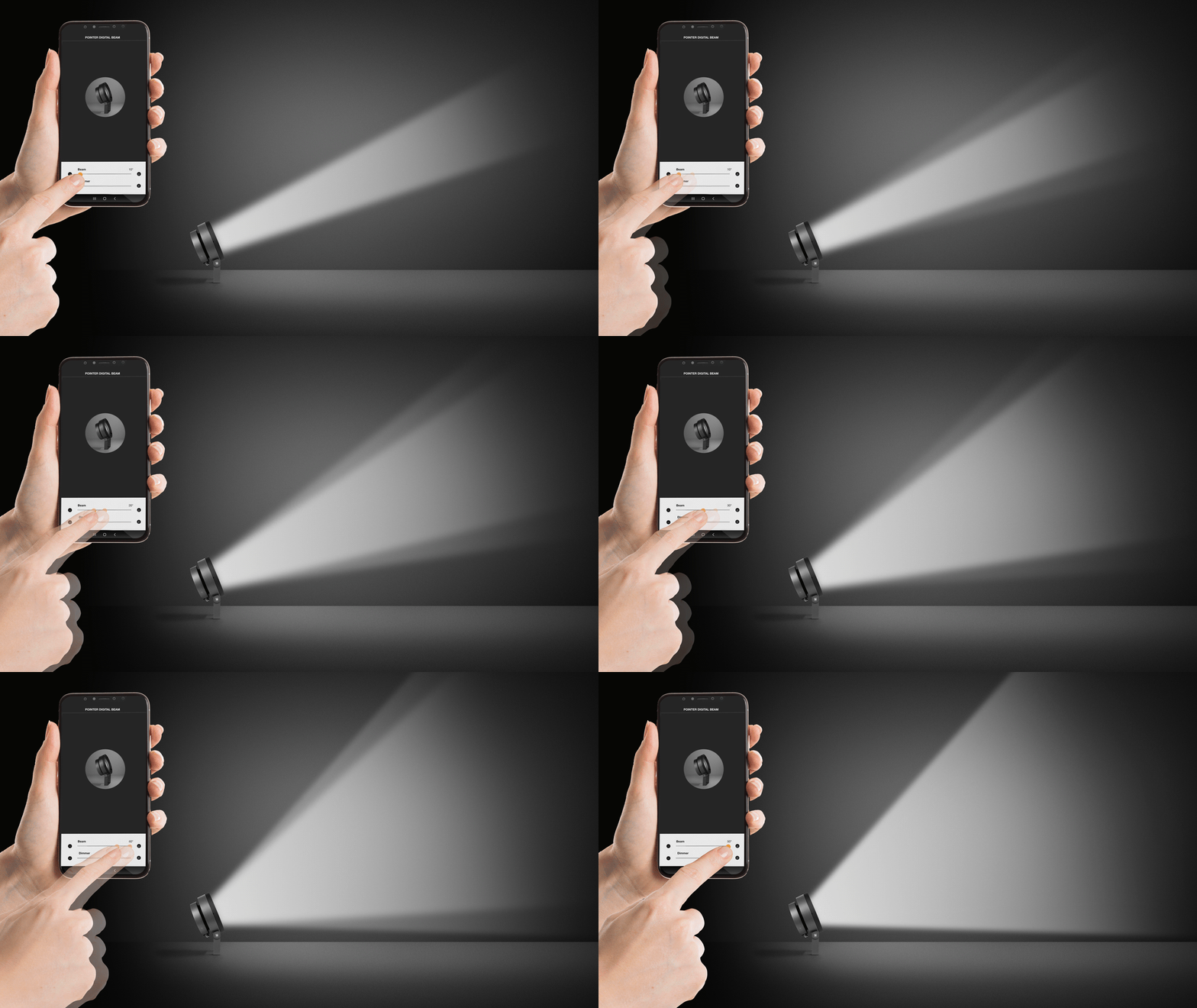
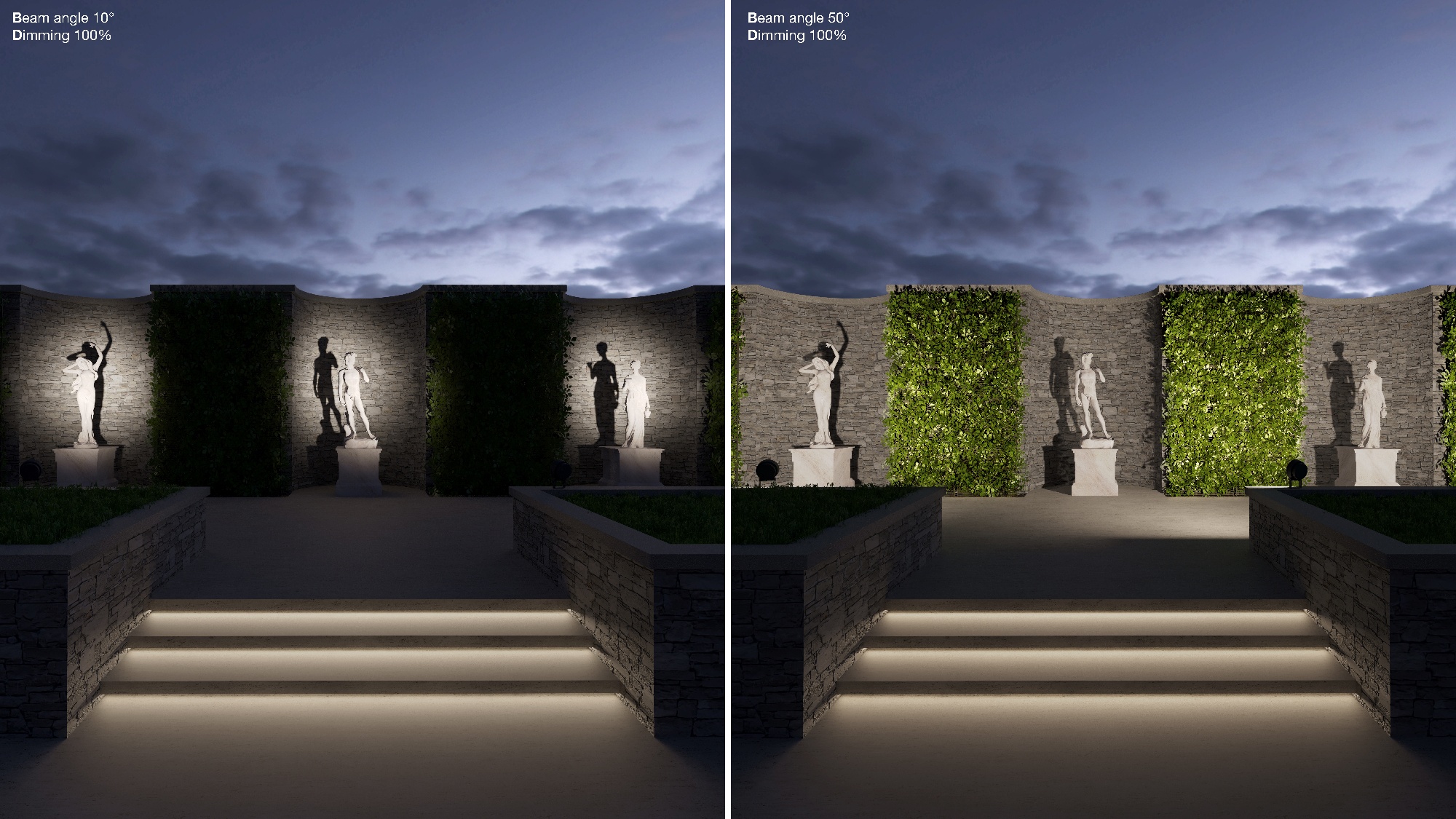
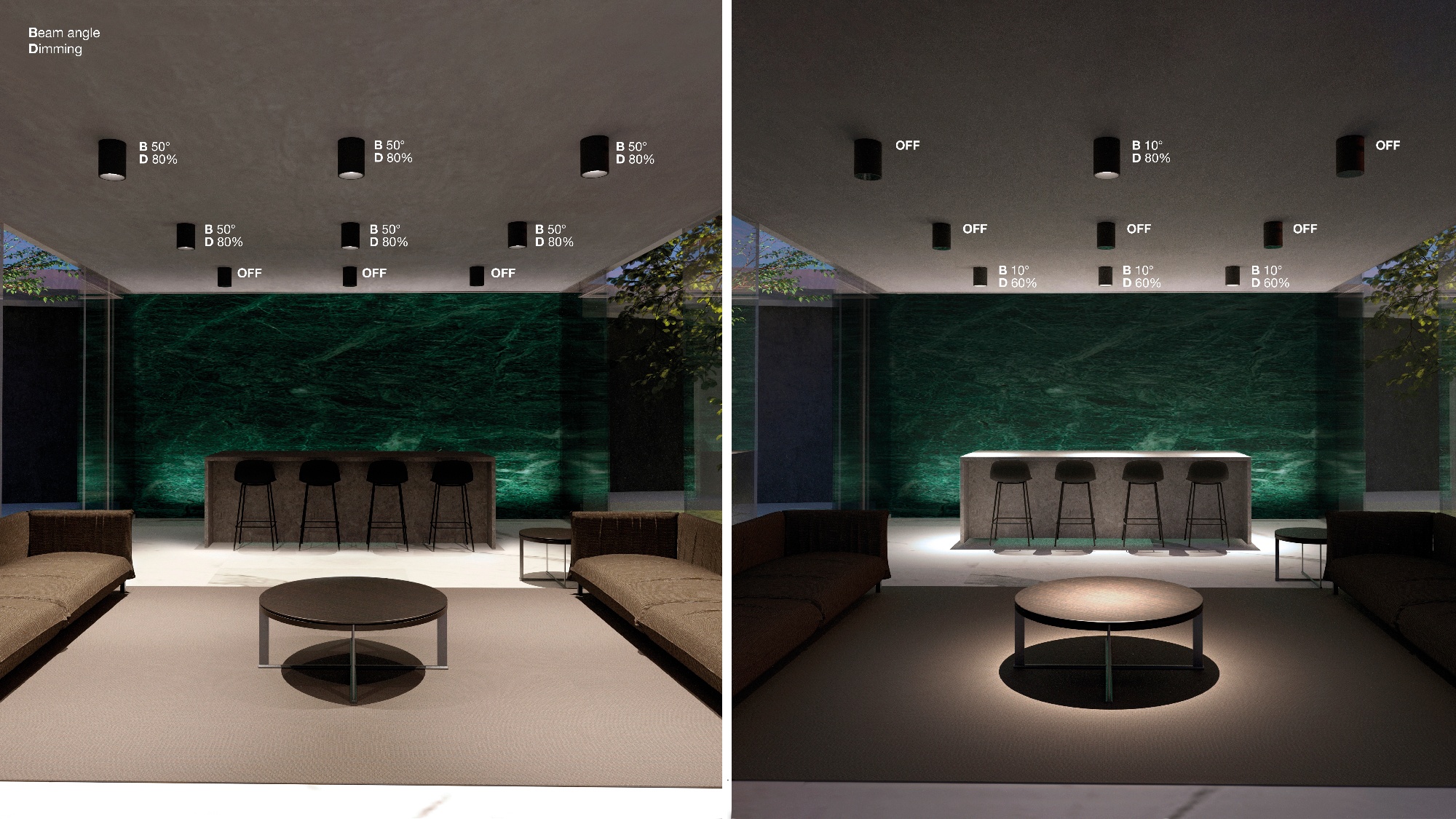
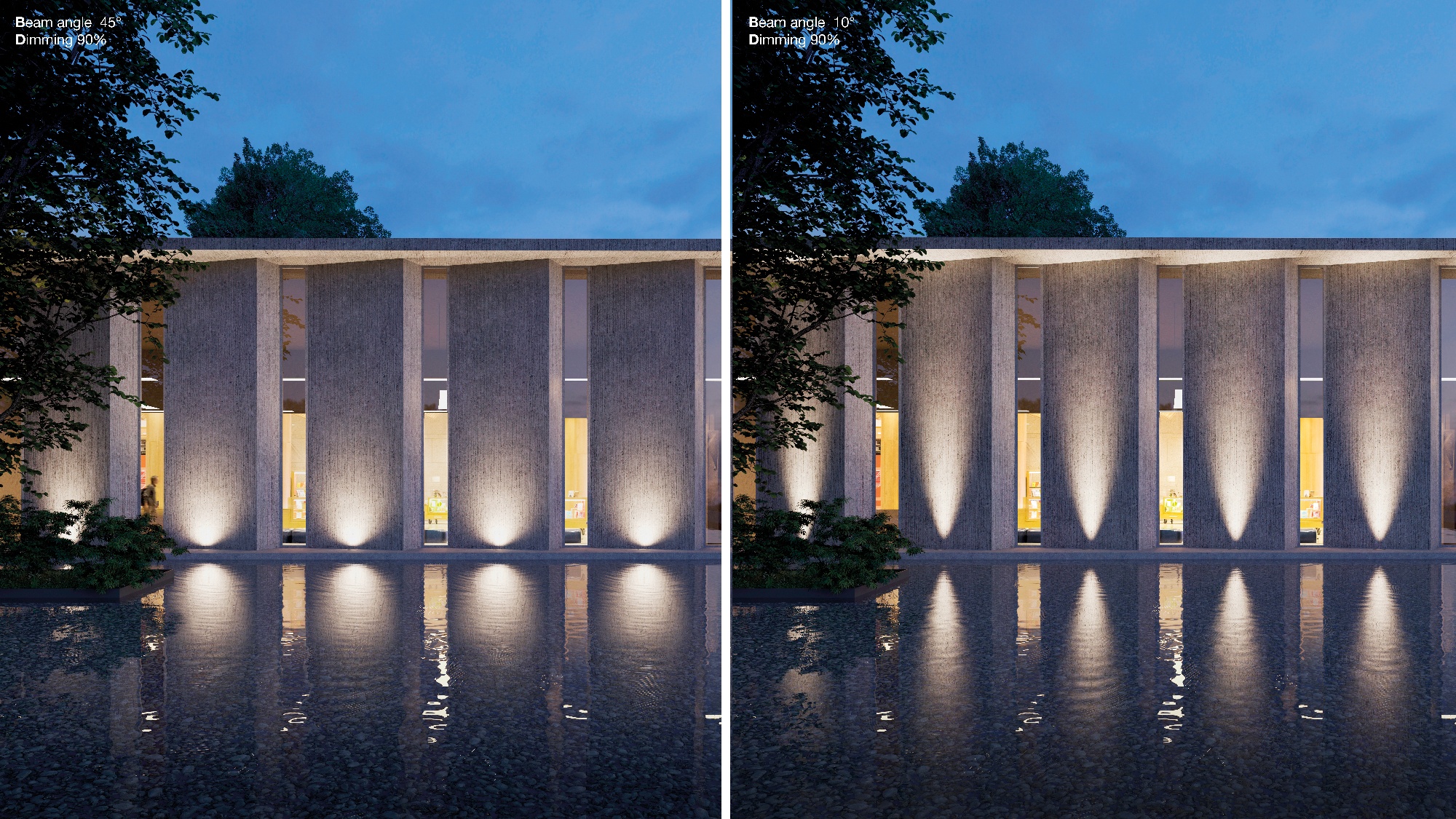
With Digital Beam, the shape of light becomes a parameter that can evolve over time. The beam width can be electronically adjusted from spot to flood, including every intermediate setting, without having to replace lenses or reflectors.
The same luminaire can therefore highlight a detail, extend its effect across a surface or adapt to a new installation. The lighting effect no longer needs to be fixed once and for all: light can be shaped directly within the space and evolve with the architecture, landscape and changing design requirements.
More functions, one system
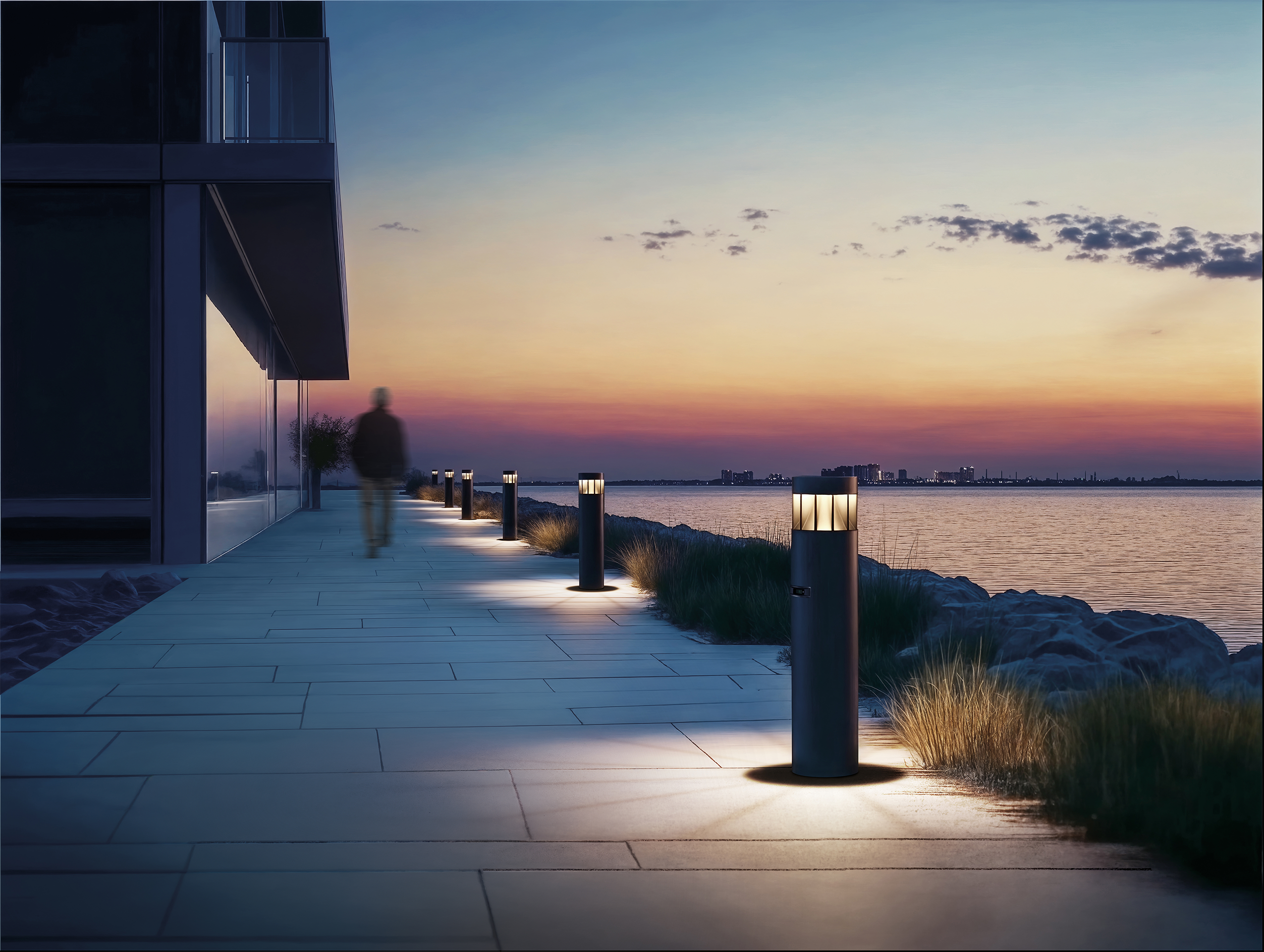
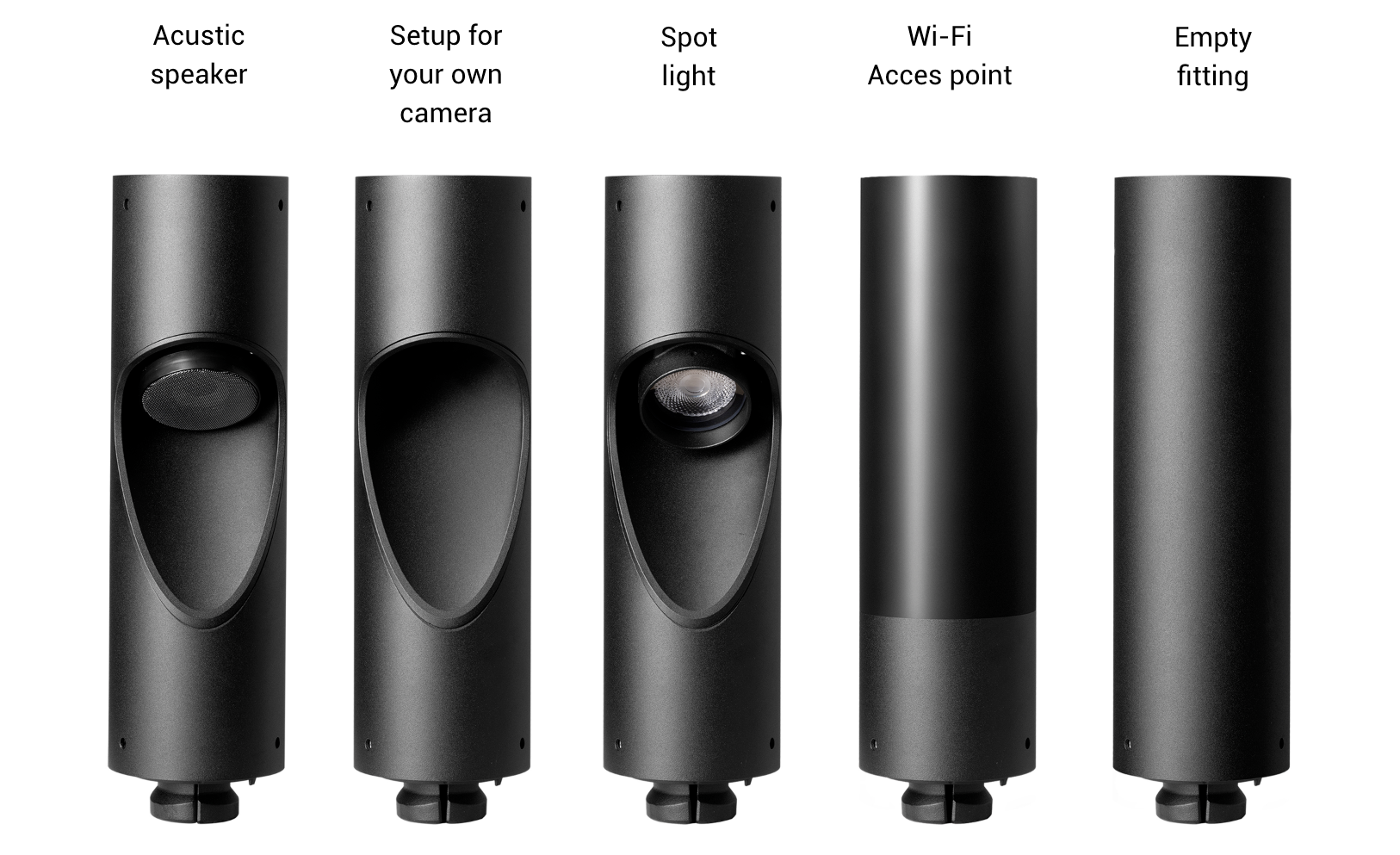
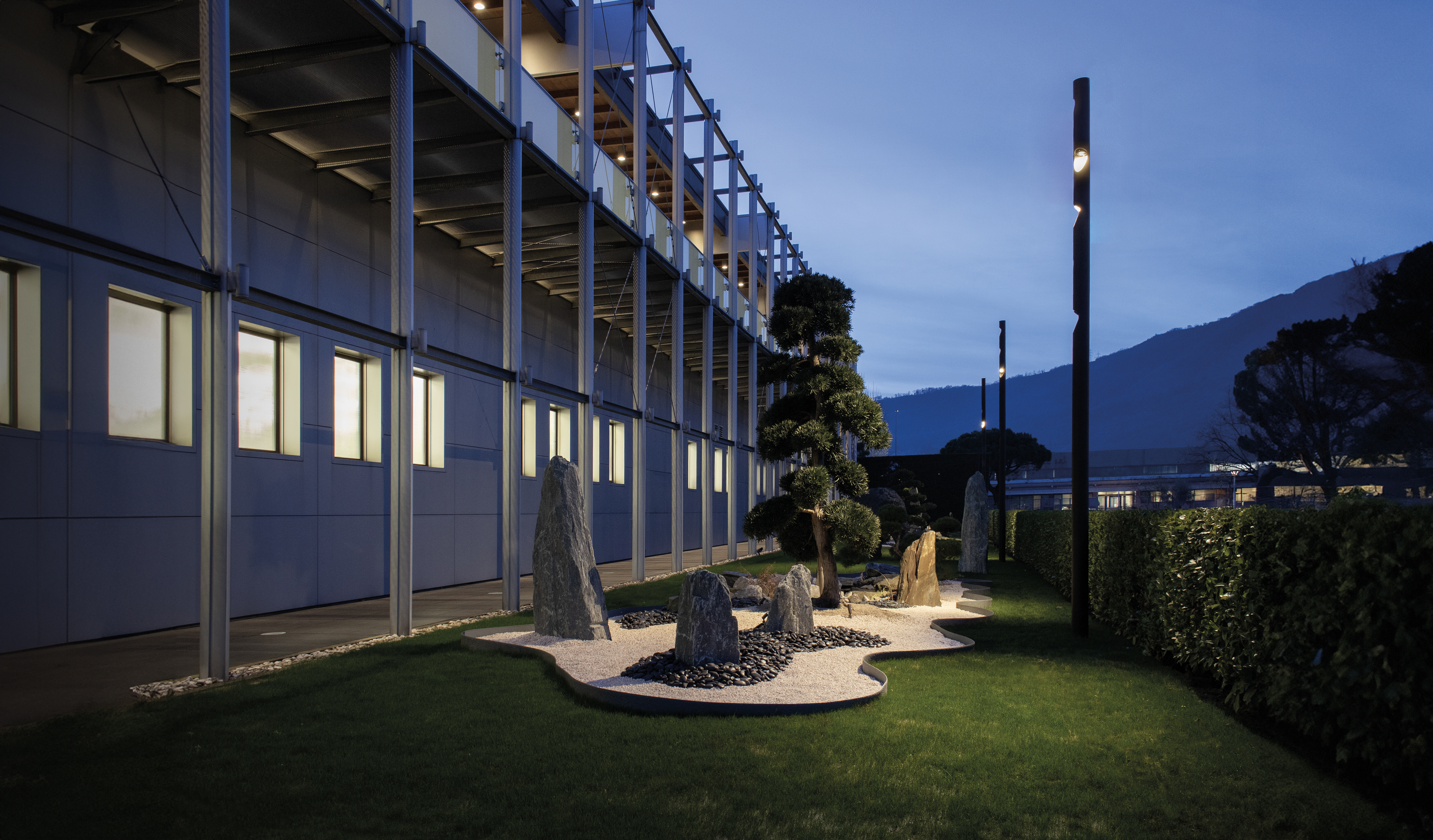
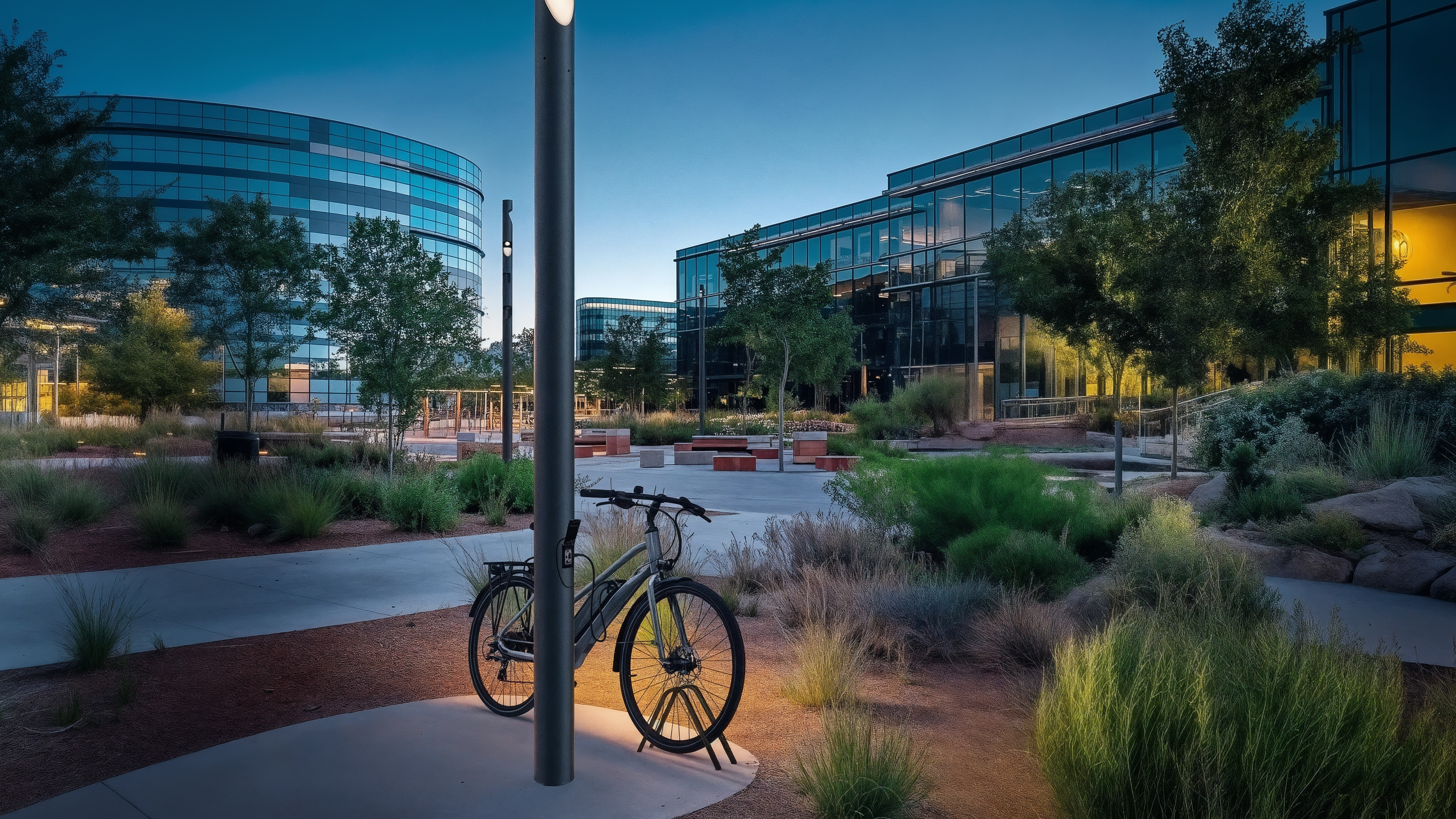
Digital transformation also changes the role of the elements within the urban environment. With Shift PRO, the urban pole is no longer simply a support for lighting, but a modular system in which illumination, safety, connectivity and services can coexist.
The different functions are integrated into a single vertical element, configured to suit the place and its needs. Squares, pathways, retail areas and shared spaces can therefore incorporate different capabilities without multiplying structures and devices.
A solution designed to meet today’s needs while evolving over time with the urban environment.
When movement becomes the trigger
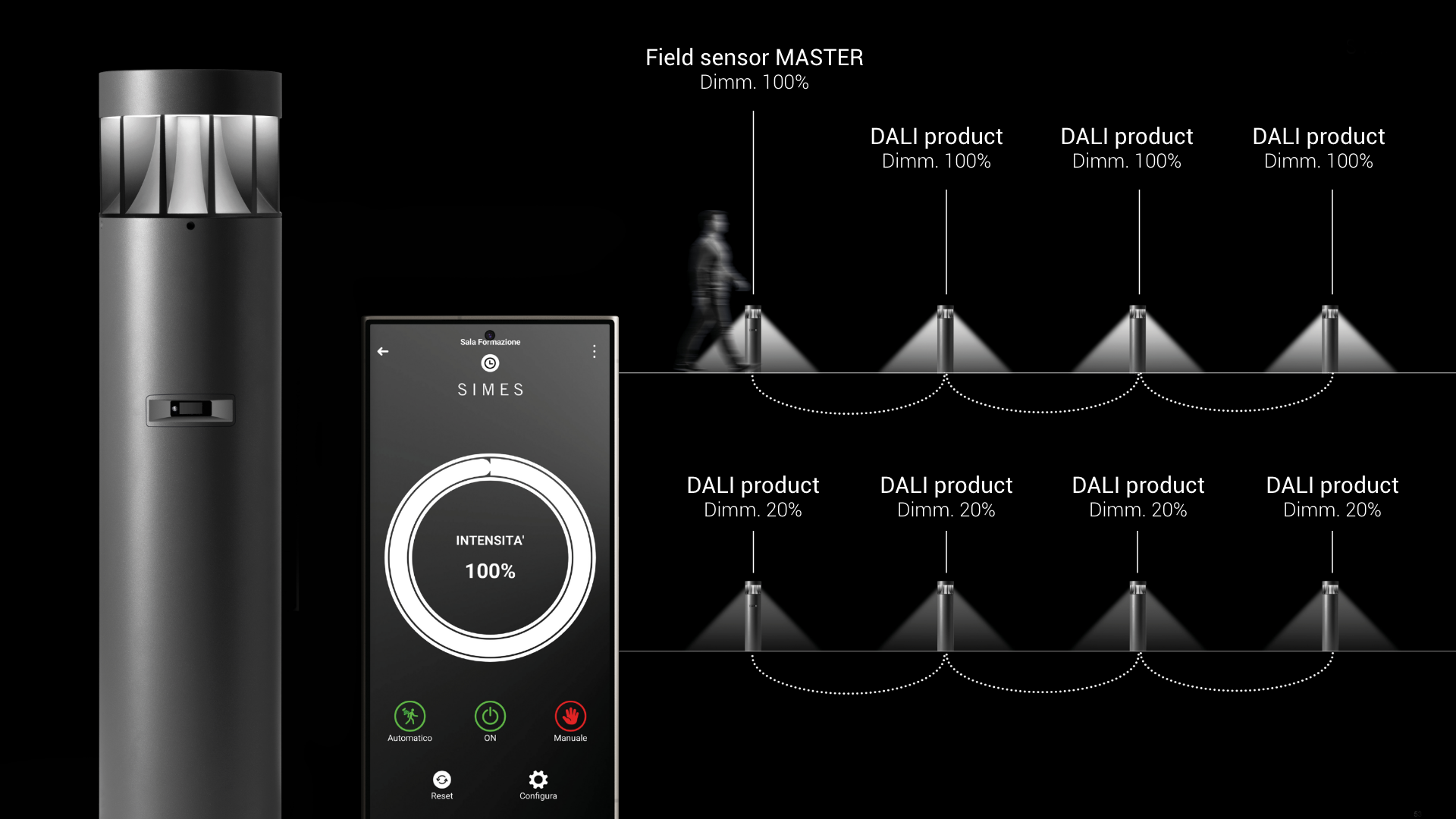
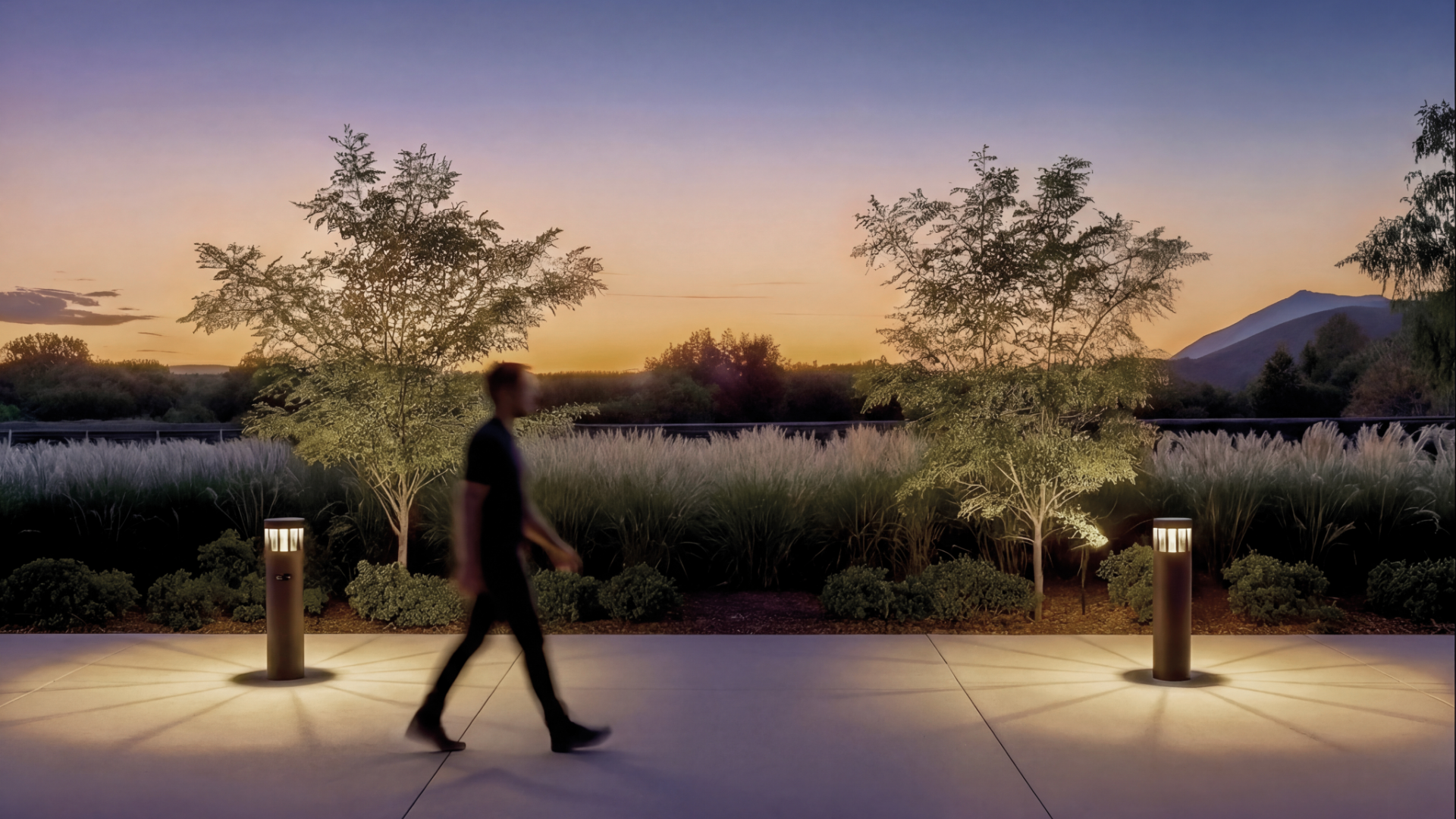
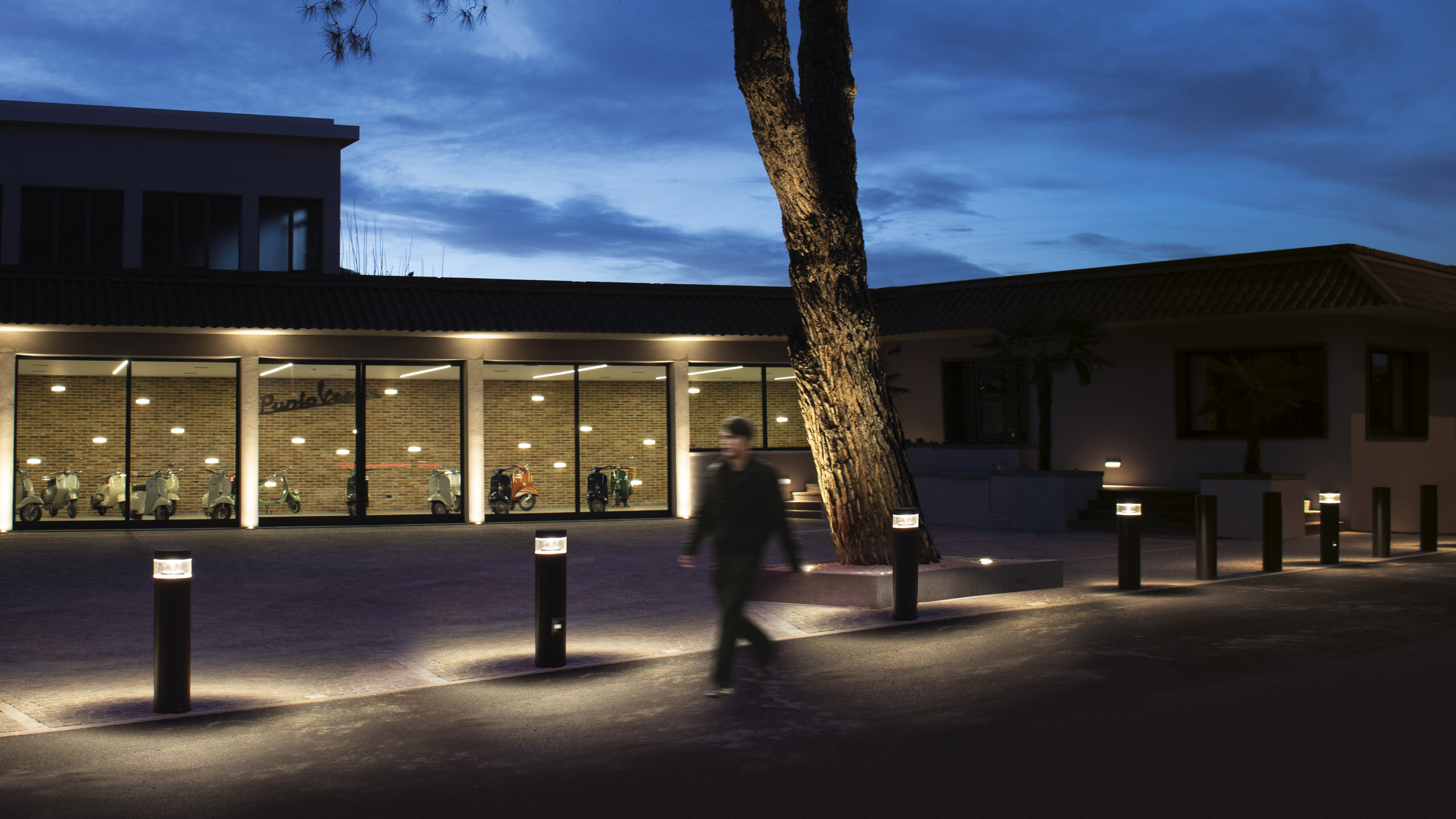
Outdoor spaces are not used in the same way or with the same intensity at all times. Field Sensor responds to this variability through light that reacts to presence and accompanies people as they move.
When a pathway is not in use, the light output can be reduced or set to standby mode. When movement is detected, lighting returns to the pre-set level, making the space clear and welcoming. With the SIMES App, intensity, activation time and operating mode can be configured to suit the actual needs of the space.
Technology remains in the background, allowing lighting to become more intuitive, efficient and respectful of the night.
A scene for every atmosphere
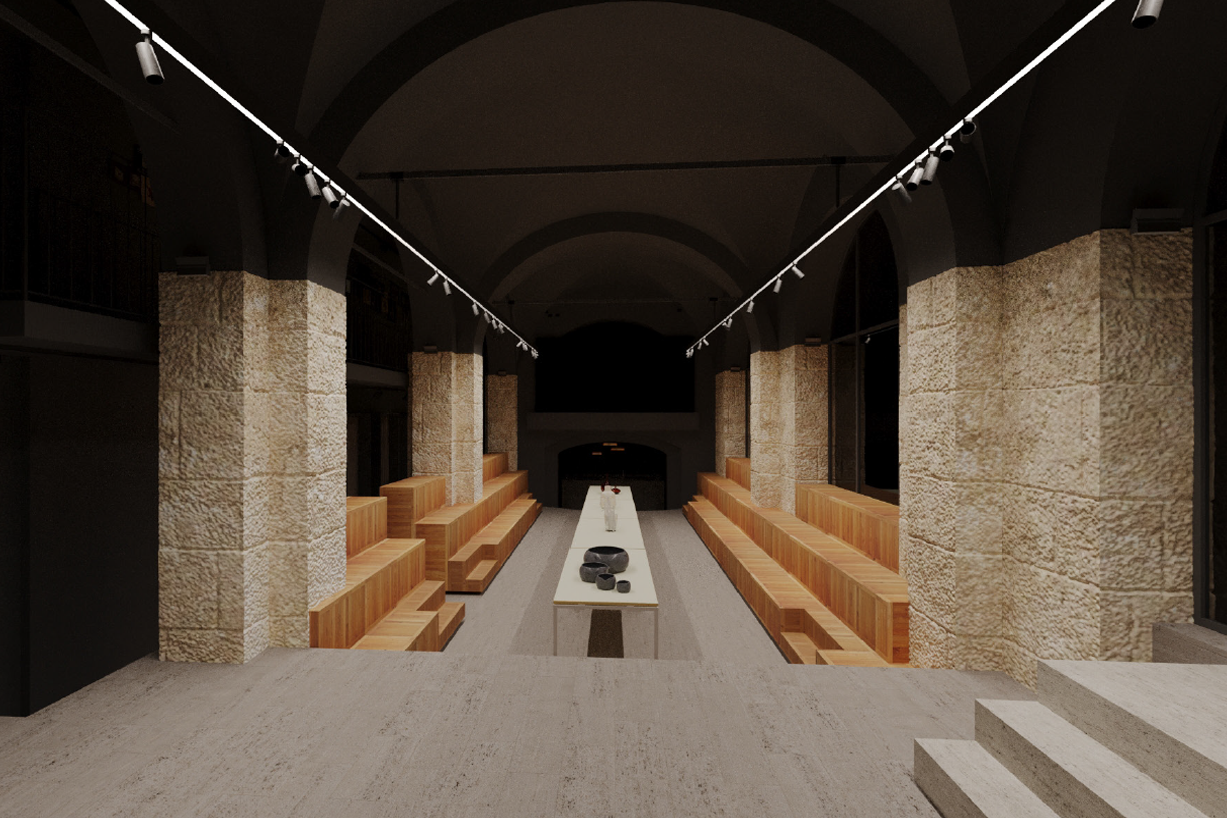
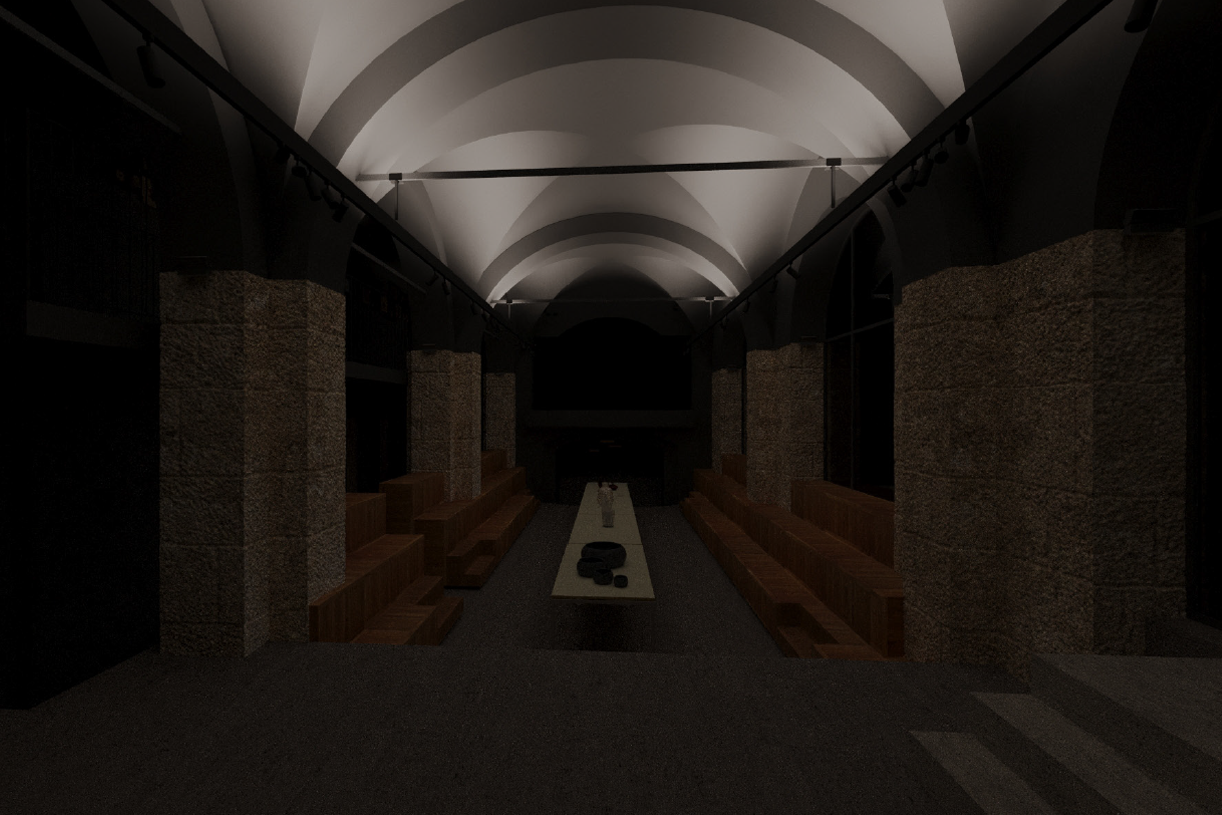
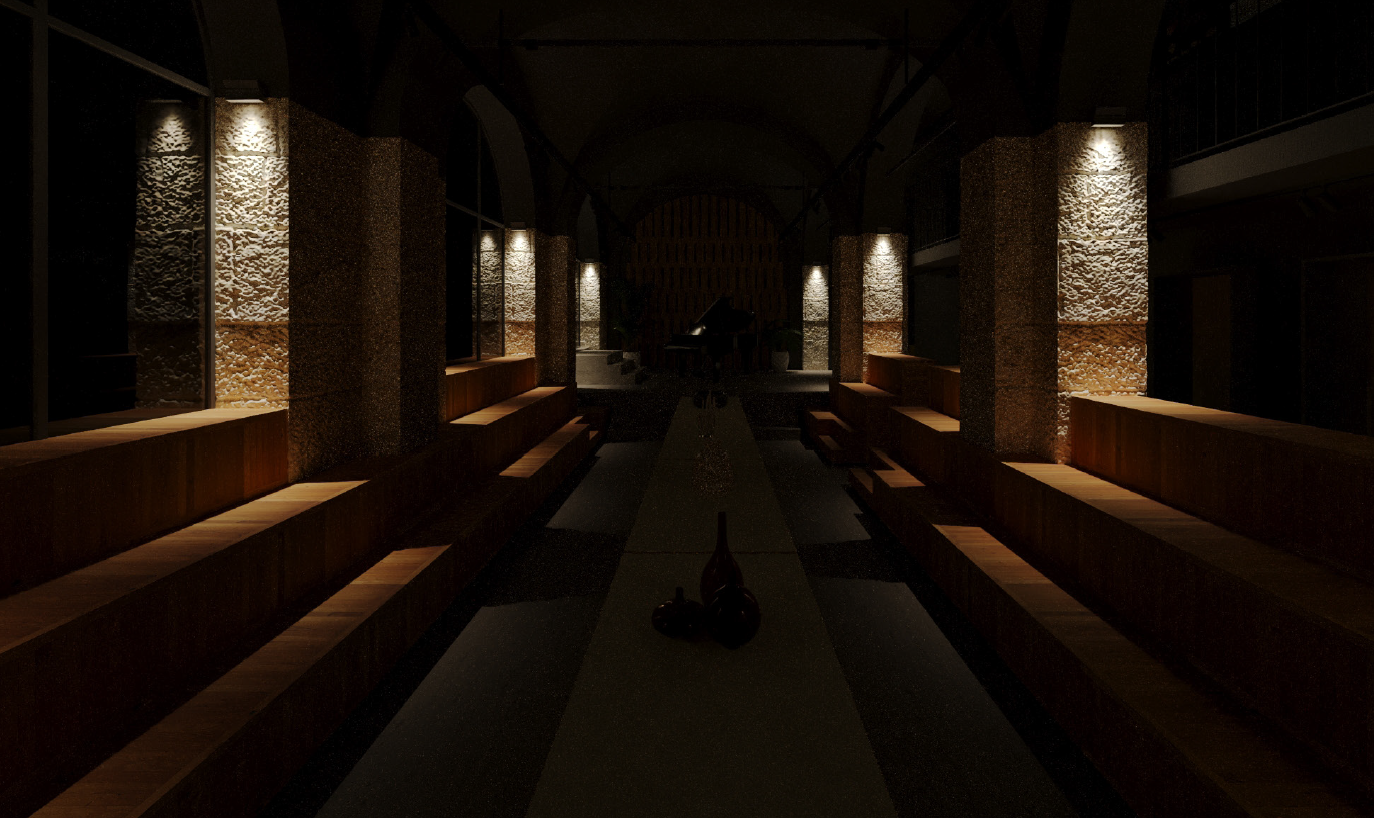
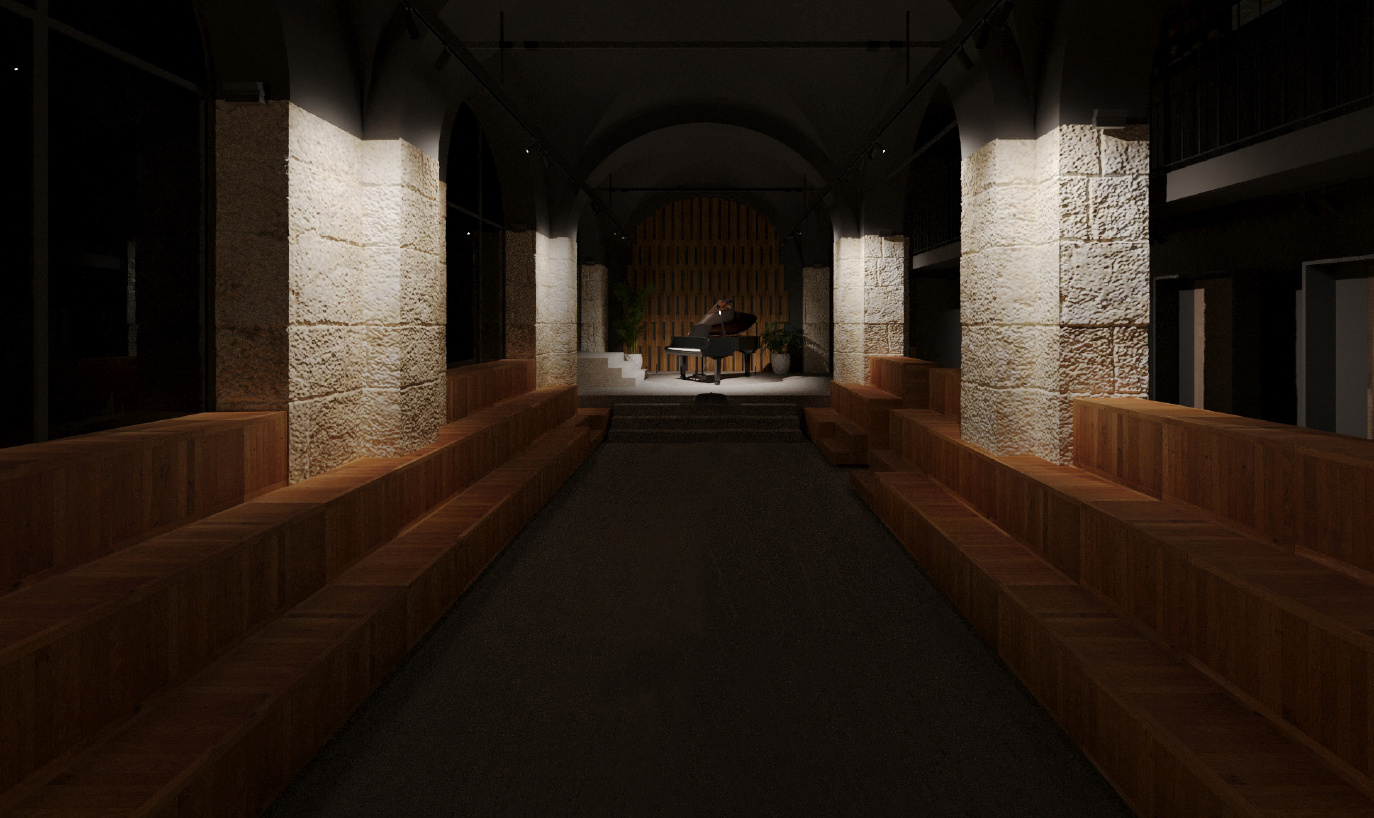
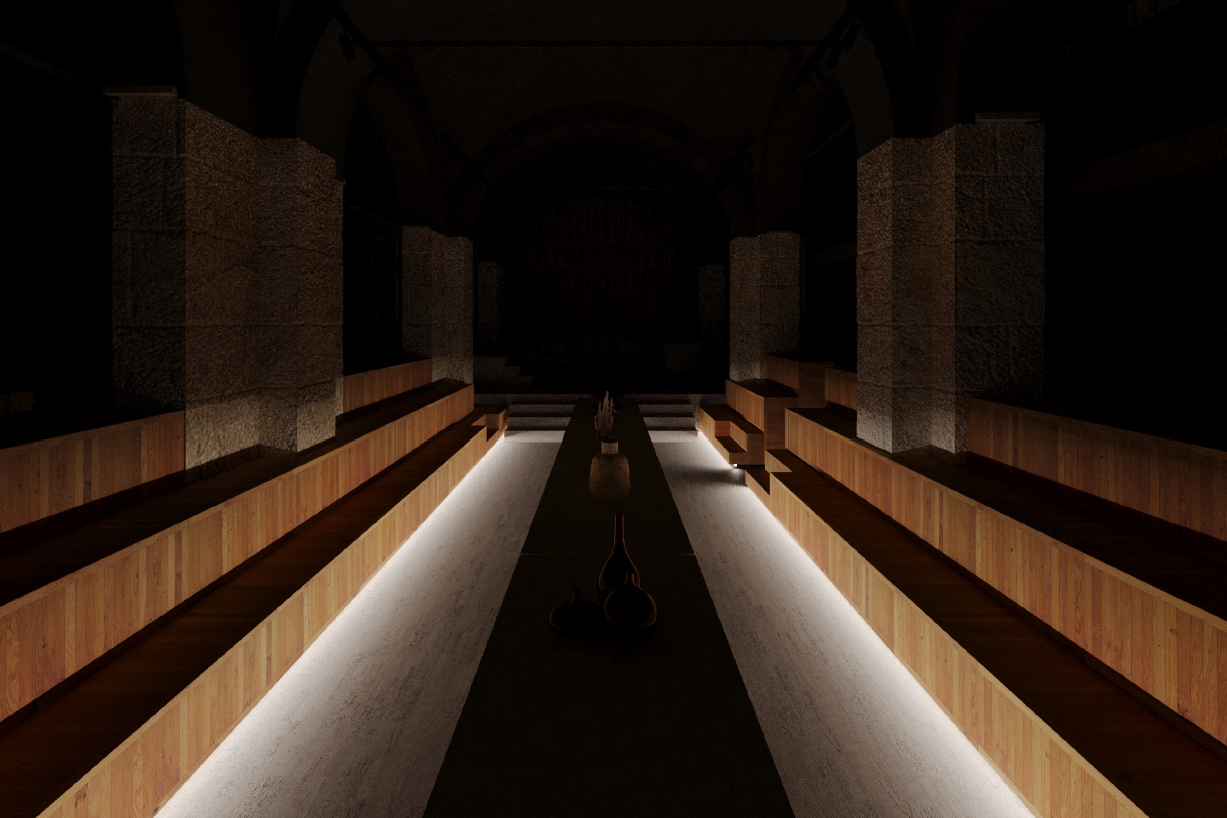
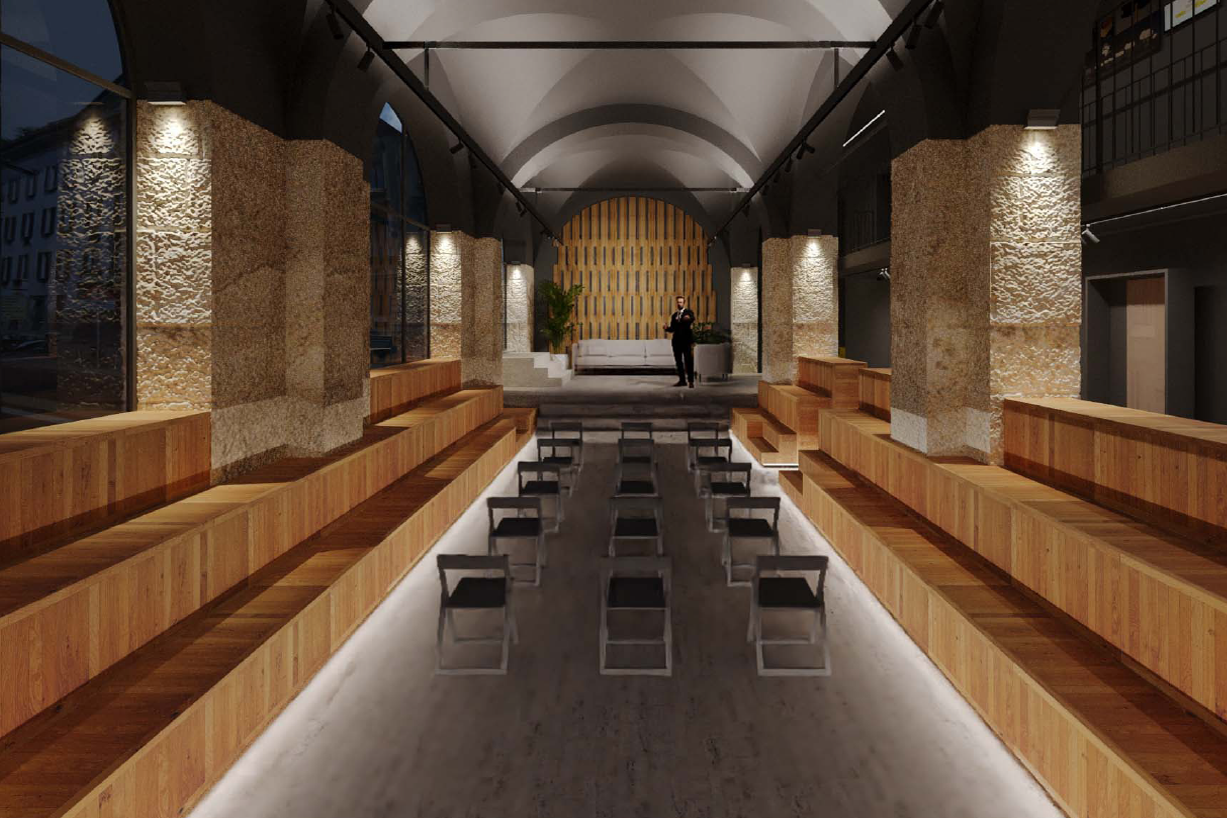
Digital technology also has an expressive dimension. With IP System®, diffused linear lighting and accent lighting can coexist and be controlled independently, creating different scenes within the same space.
A portico can be evenly illuminated to guide movement, take on a more intimate character through a few selected accents, or combine different effects to enhance architecture, furnishings and planting. In dedicated configurations, each element can be controlled individually, allowing even greater compositional freedom.
Light is not simply adjusted: it reshapes hierarchies, perceptions and atmosphere without physically altering the environment.
Technology that stays in the background
The evolution of digital lighting is not measured by the number of controls or functions available, but by the quality of the experience it creates.
When technology is truly integrated into a project, it does not ask to be seen. It allows light to follow people, interpret changes within the space, reduce what is unnecessary and reveal what matters.
A form of lighting that is easier to live with, more precise to design and more respectful of the night.
From digital lighting to your project
Would you like to explore a solution in more detail, receive support, request documentation or speak to our team? Tell us what you need and we will put you in touch with the most appropriate SIMES specialist.

